The concept of open source is mainly tied to the world of computing, and a piece of software is often called “open source” when its creators allow the modification and redistribution of the source code. The open flow has also reached the world of music; a simple example is artists who make the projects of their own tracks available, open to reinterpretation and remixing.
Fascinated by this world, a few years ago I came into contact with Global United Nation (GUN), a project promoted by Club Late Music (CLM), and I managed to collaborate with them, creating sound and visual works, and to understand more closely what is called an open source artistic project.
I propose a few brief chats with the team, which has seen the project be born and grow:
Hi, what is the role of Club Late Music (CLM) in the various projects promoted by GUN?
Our goal is to explore the idea of what an open source and collaborative label can be these days.
In practice we are active in organizing projects with GUN (helping with creation, promotion and distribution), but also in promoting realities and artists who have a similar approach, for example through events or publications.
How was the GUN project born? What need did it spring from?
GUN was born in 2017 with the idea of breaking down barriers between artists living in various parts of the world, creating connections, creating a network of support, skill sharing and collaboration. We often use the image of the gym, where artists arrive with different goals, timelines and knowledge, but with the intent of improving and of meeting people who share their interests and helping them.
The concepts of Open Source and Open Content permeate GUN's work, and I imagine the approach has changed over time (in true open fashion)?
This is the central point of CLMxGUN: how can this openness interact with the way electronic music is created, experienced and shared these days?
At the beginning we thought it was just about exchanging material (tracks or samples, for example).
Now we are much broader in how it can be interpreted: maybe it is about sharing practices of the music-making process, or even our very structure and organization.
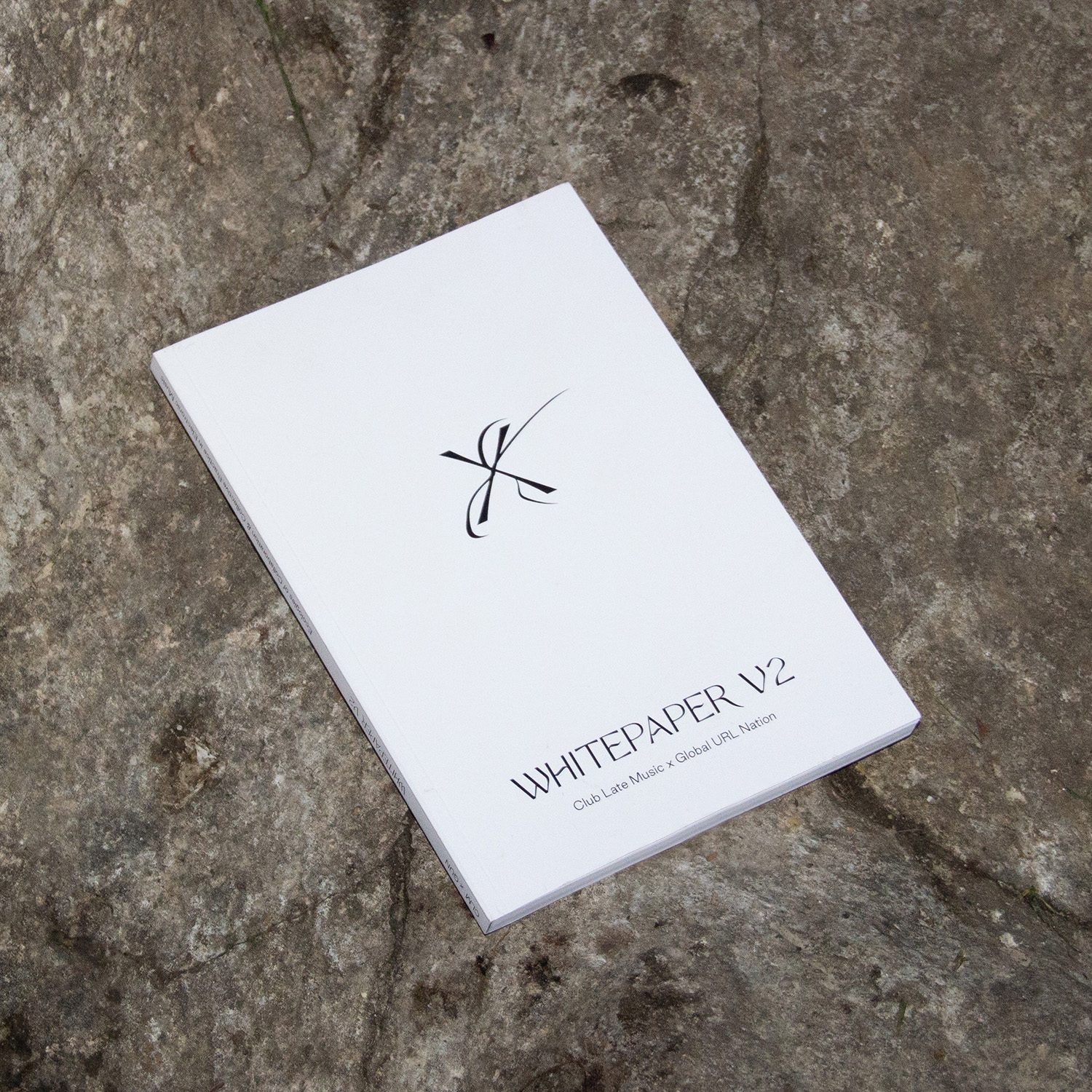
What is the White Paper? Can it be considered a manifesto / report of these practices?It is a text that is updated every few years in which we share our actions, our questions and future directions.
But it is still full of uncertainties and doubts: it is a great way to reflect on ourselves, on what we have done and what we want to do, but hopefully it can also help other people in their practice, by sharing our experiences and our mistakes.
So the white paper is absolutely not a manifesto, but rather a diary.
Discover here the world of Club Late Music, and read the White Paper
English translation of the Italian original. Read the original →