“According to an article published on the website Know Your Meme, the term was first used on February 25, 2010 in the Facebook group Autonomous Sensory Meridian Response Group, after being coined by its founder Jennifer Allen, in response to the messages of many people on the SteadyHealth forum, who were discussing a very common unexplained sensation.” (Wikipedia)
ASMR is a sensation, not a type of video on YouTube. Moreover, it is not a sensation induced solely by sound input, but one that can involve all the senses. As often happens, mass phenomena tend to simplify what, at least at the outset, was the real intention of the thing. Of course, even though this is not the right place to treat the subject in depth, it might still be interesting to discuss it.
When we talk about ASMR, then, we are referring to a sensation that is often associated with a tingling, a state of peace or pleasure, often followed by relaxation. Personally, using ASMR videos, as traditionally understood, often gives me moments of reflection and an increase in my capacity to get organized, followed by a slow muscular relaxation. Of course the effects can change from person to person, above all depending on the kind of stimuli we are exposed to.
In internet culture, ASMR often means videos or audio recordings in which a subject performs actions meant to relax us; sometimes by talking, sometimes by generating sounds or even with roleplay, provided one is ready to break the cringe barrier.
Alongside the enormous mass of digital content in which an intimate situation is created with the person performing for our relaxation, there are also field recording works, purely visual content, and more aseptic audio on specific frequencies.
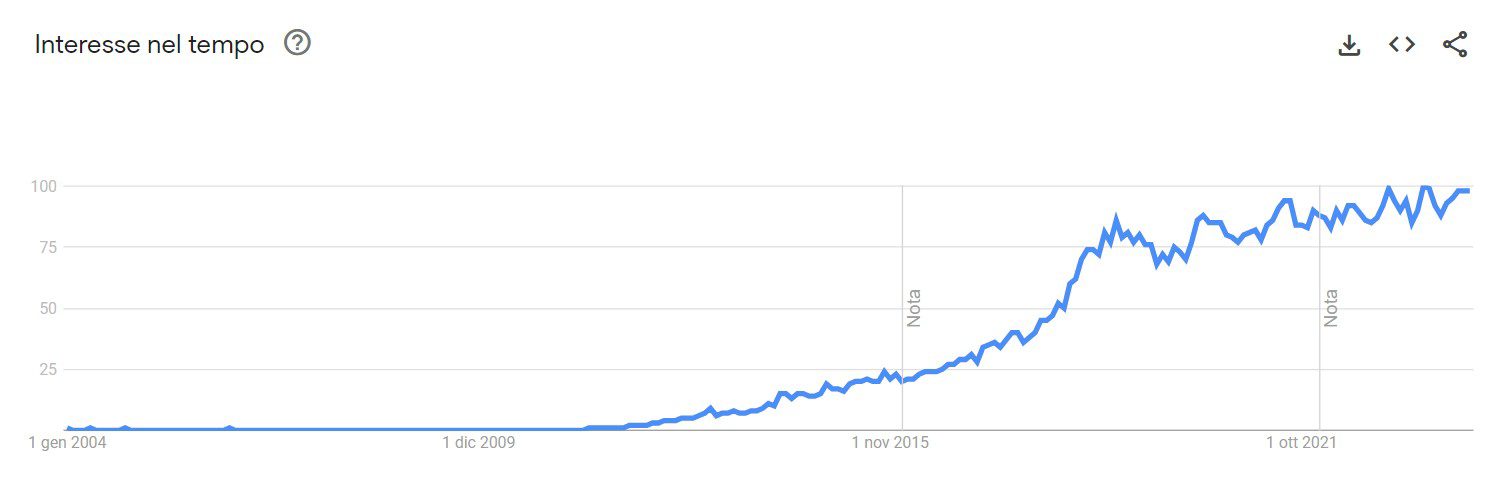
Despite various moments of viral popularity, the ASMR trend is still active and growing.
This may be correlated with ever-increasing stress inputs and a greater awareness of one's emotional state. It is worth noting that this phenomenon finds its greatest prosperity on YouTube, often in the form of an intimate contact with another person, who is able to provoke the emblematic stimuli of ASMR. Some ‘cure’ our insomnia, some our loneliness, some our lack of attention, some erotic desires (not by chance it is also called ‘brain orgasm’), some our stress; the fact is that, regardless of their efficacy, ASMR videos have carved out a very important space in the lives of many people, so much so as to deserve in-depth studies by many professionals of the human mind.
I would like to conclude this piece with a listening suggestion, which might in fact be disconnected from the pure concept of ASMR, but is my soundtrack as I write these words, and has certainly been a source of fascination and inspiration for tackling today's subject.
I am talking about the YouTube channel of crysknife007 (also found on Bandcamp and other platforms), where there are audio works tens of minutes long that cannot go unheard, especially for fans of Sci-Fi, ASMR and the like. Here are a few titles of the works I have had the pleasure of listening to, to give you an idea.
“Star Trek TNG Ambient Engine Noise (Idling for 24 hrs)”
“Dune Sandworm Ride”
“Super Deep Computer Fan and Spaceship Noise ( 12 Hours )”
“Ambient Swamp Noise from Quake 1 ( 6 Hours )”
“Luke Skywalker's Childhood Home Ambient Noise ( Lars Homestead for 6 Hours )”
English translation of the Italian original. Read the original →